
Key Takeaways
- A trademark protects distinctive signs that identify products or services and distinguish one business from others in the marketplace.
- A patent protects new technical inventions, such as a specific product or process, rather than abstract ideas.
- Copyright protects original works of authorship, including written content, software, music, and designs.
- In Mexico, the Mexican Institute of Industrial Property (IMPI) oversees trademarks and patents, while the National Copyright Institute (INDAUTOR) is responsible for copyright matters.
- Choosing the right form of protection depends on the type of intangible asset involved: commercial identity, technical innovation, or creative content.

Introduction
Every year, thousands of trademark and patent applications are filed with the Mexican Institute of Industrial Property (IMPI), reflecting the important role intellectual assets play in Mexico’s business and cultural development. Even so, entrepreneurs and business owners often face the same question when seeking to protect their work: should they register a trademark, apply for a patent, or protect their work through copyright?
Choosing the correct form of legal protection is essential to avoiding common mistakes, such as trying to patent a general idea or overlooking the importance of protecting a business name. This article clearly and practically explains the fundamental differences between trademarks, patents, and copyright so you can make informed decisions when protecting your assets in Mexico.
What Is a Trademark and When Do You Need One?
A trademark is a distinctive sign, such as a name, logo, slogan, or visual combination, that identifies your products or services and distinguishes them from those offered by competitors. Its primary purpose is to prevent consumer confusion and strengthen your company’s commercial identity.
Trademark registration is handled by IMPI and grants exclusive rights to use the mark within the relevant class of goods or services for a period of ten years, with the option to renew it indefinitely. It is advisable to begin the registration process as soon as you define your business name or visual identity, particularly when brand recognition is an important part of your business strategy.
Common mistakes:
- Assuming that owning a website domain or social media account provides legal protection for the trademark.
- Failing to conduct a preliminary search through IMPI, which may result in an application being refused or in conflicts with existing rights holders.
For guidance on registering and enforcing your trademark rights, BE IP can support you throughout the process.
What Is a Patent and When Should You Apply for One?
A patent grants the exclusive right to commercially exploit a new technical invention—that is, a specific and original solution to a technical problem. It does not protect general ideas, business concepts, or minor improvements, but rather inventions or processes that represent a meaningful technical advancement.
Patent applications are filed with IMPI, and protection may last for up to 20 years from the filing date, without the possibility of extension. During this period, third parties are prohibited from manufacturing, using, or selling the patented invention without the patent holder’s authorization.
- Document the development, operation, and practical application of your invention in detail.
- Maintain confidentiality before filing the patent application, as premature disclosure may affect the invention’s required novelty.
- Conduct searches for similar patents before investing significant time and resources in an application that may not be viable.
Patent protection is especially important when your company develops proprietary technology, machinery, or innovative industrial processes. When an invention must remain confidential, trade secret protection may be a complementary alternative worth evaluating with specialized legal counsel.
What Is Copyright and When Does It Apply?
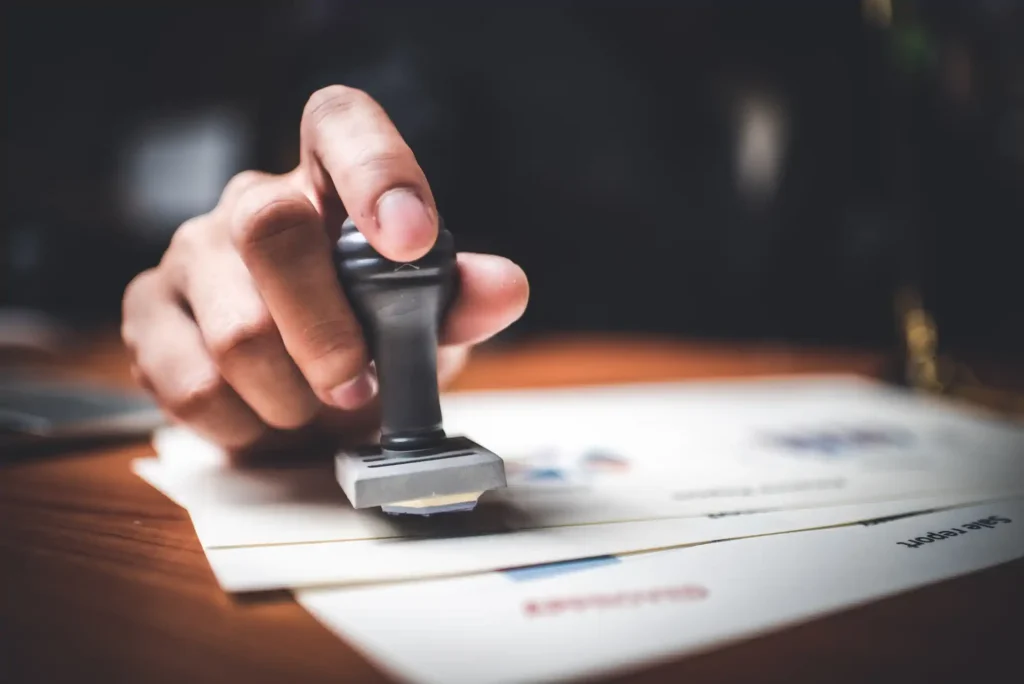
Copyright protects original works of authorship, including written content, music, photographs, artistic works, software, and manuals, from the moment they are fixed in a tangible medium. Although formal registration is not required in Mexico, obtaining a registration certificate from INDAUTOR strengthens evidence of authorship and makes it easier to enforce the corresponding rights.
Copyright protection lasts throughout the author’s lifetime and for 100 years after their death, granting exclusive rights over the reproduction, distribution, and public communication of the work.
This form of protection is particularly useful for businesses that produce creative content, proprietary software, audiovisual materials, or other original works. Formal registration can make it easier to defend those works in cases involving plagiarism or legal disputes.
For assistance registering a protected work, BE IP can guide you through the process before INDAUTOR.
Practical Comparison: Which Type of Protection Does Your Business Need?
| Category | Trademark | Patent | Copyright |
|---|---|---|---|
| What it protects | Name, logo, slogan | Technical invention (product or process) | Original creative work |
| Mexican authority | IMPI | IMPI | INDAUTOR |
| Term of protection | 10 years, renewable | 20 years, nonrenewable | Author’s lifetime plus 100 years |
| Primary purpose | Commercial identity | Technical innovation | Creative content |
| Key requirement | Use in commerce | Novelty and industrial applicability | Originality of the work |
| Common examples | Brand logo, company name | Industrial processes, devices | Books, music, software |
| Common mistakes | Failing to register or confusing trademark protection with copyright | Trying to patent abstract ideas or superficial design changes | Assuming that trademark registration also protects creative works |
Established companies and startups alike often need a combined intellectual property strategy. For example, a restaurant may register its business name as a trademark, patent a proprietary machine, and protect its menu or graphic materials through copyright.
Determining the best strategy for your intangible assets requires evaluating how each form of protection works together. An intellectual property specialist can help you create a coordinated and effective protection plan.
Can I Protect an App Through Trademark or Copyright?

A software application is generally protected through copyright with respect to its source code, and through a patent only when it incorporates a new technical solution. Trademark protection may apply to the app’s name, logo, or other identifying brand elements.
What Is the Difference Between a Trade Secret and a Patent?
A trade secret protects confidential information that provides a competitive advantage and is not publicly disclosed, such as formulas, methods, or internal processes. A patent, by contrast, requires the formal disclosure of the invention in exchange for exclusive legal rights for a limited period. When sensitive know-how is involved, it is important to assess which option offers the most effective protection for your competitive advantage.
What Happens If I Protect the Same Asset in More Than One Way?
The same element cannot be registered under two legally incompatible forms of protection—for example, an abstract idea cannot be protected both as a patent and as a copyrighted work. However, certain assets may qualify for overlapping protection. A logo, for instance, may be registered as a trademark and also protected as an artistic work under copyright law.
Practical Recommendations for Protecting Your Intangible Assets in Mexico
- Conduct preliminary searches with IMPI or INDAUTOR before beginning any registration process to reduce the risk of refusals or costly disputes.
- Thoroughly document every stage of the creative or technical process, and establish clear assignment agreements with partners, employees, and collaborators.
- Do not disclose critical information relating to inventions, software, formulas, or proprietary processes without appropriate safeguards, as doing so may jeopardize valuable rights.
- Maintain an up-to-date record of renewal dates and expiration deadlines to prevent your registrations from lapsing.
- Seek specialized legal advice to design a protection strategy that fits your needs and avoids unnecessary costs.
Frequently Asked Questions About Trademarks, Patents, and Copyright

How Do I Register a Trademark with IMPI in Mexico?
You must file an application with IMPI, identify the sign you want to protect, and specify the appropriate Nice Classification classes for your products or services. Conducting a preliminary search in IMPI’s database is essential to identify similar marks and reduce the risk of refusal. The process may take between 6 and 12 months, and professional guidance is recommended.
How Long Does It Take to Obtain Patent Protection in Mexico?
The patent process generally takes between 2 and 4 years, depending on the complexity of the invention and IMPI’s workload. Patent rights are calculated from the filing date, remain in effect for 20 years, and expire at the end of that period, after which the invention enters the public domain.
What Should I Do If Someone Copies My Trademark, Patent, or Copyrighted Work?
If a third party uses your trademark, patented invention, or copyrighted work without authorization, you may initiate administrative proceedings before IMPI or pursue legal action before the appropriate civil courts. Having a valid registration generally makes it easier to enforce your rights and seek preliminary or protective measures.
Can Recipes or Culinary Concepts Be Protected?
Recipes themselves are generally not eligible for patent or copyright protection in Mexico. However, the name of a dish or business may be registered as a trademark, while techniques, formulas, and internal methods may qualify as trade secrets when they are protected through confidentiality agreements and appropriate internal controls.
Do I Need to Register My Work If Copyright Protection Exists Automatically?
Registration with INDAUTOR is not required for copyright protection to exist. However, it provides strong evidence of authorship and a verifiable registration date, which can be valuable in legal proceedings and disputes. For that reason, registration is often a worthwhile preventive measure for creators and businesses.
Final Thoughts

Properly protecting your intellectual assets is essential to strengthening your company’s competitive position and preserving the value of your business in Mexico. Understanding the differences between each legal framework allows you to choose the right form of protection and avoid unnecessary or costly risks. Document your work, seek qualified advice, and act early to ensure that your company’s investment and innovation remain protected.
Ready to Protect Your Intellectual Property?
Whether you have questions or are ready to begin protecting a trademark, patent, or copyrighted work, our team can provide reliable and personalized guidance. Contact BE IP to schedule a consultation with our specialists and receive professional support throughout Mexico, with no obligation.




 English
  Spanish