
For decades, a trademark was taught to be a distinctive sign capable of registration. Legally, that statement still holds true. Commercially, however, it falls short.
Brands do not live in industrial property registries — they live in the minds of consumers. That set of perceptions, trust and prestige is what we call goodwill: a key intangible asset that, while it may never appear on a certificate, often holds the greatest share of a company’s economic value and can deteriorate rapidly in the face of a reputational crisis.
Recent events show how a brand’s goodwill can be damaged, and how intellectual property, commercial contracts and reputation management operate as protective mechanisms.
Three reputational crises that damaged brand goodwill
Case 1: Astronomer’s CEO resigns after a viral scandal at a Coldplay concert

The first case involved the technology company Astronomer, whose chief executive resigned after an incident at a Coldplay concert went viral. Although the episode had nothing to do with the company’s business activity, the organization understood that the conduct of its top representative had a direct impact on corporate reputation and brand perception.
This case shows how the public image of executives can directly influence the value of goodwill.
Case 2: The Titan submersible tragedy at OceanGate
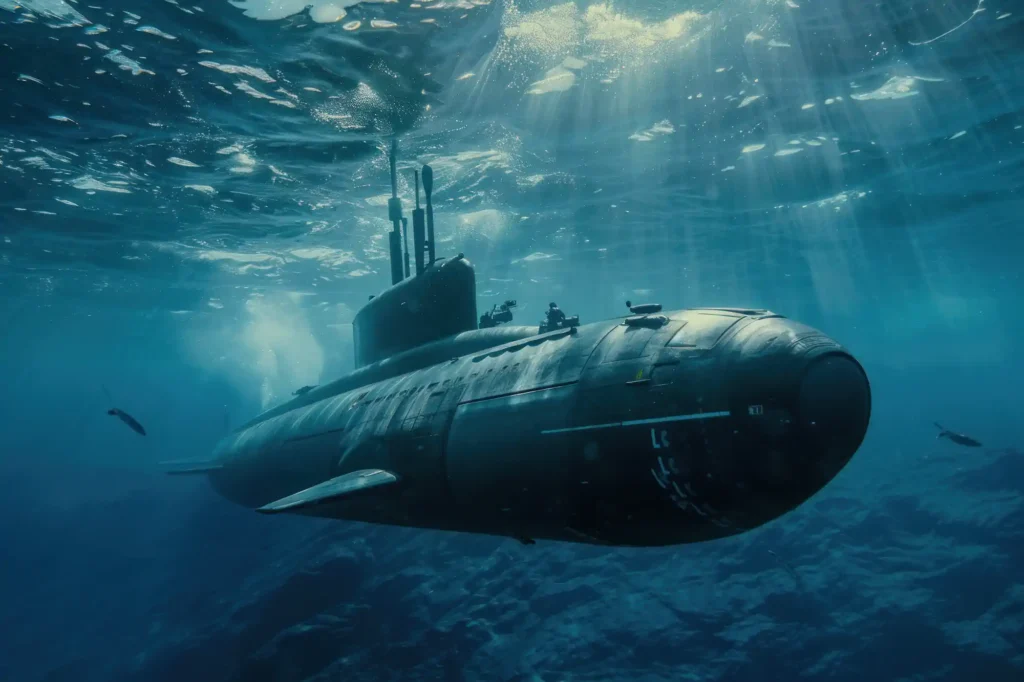
The second case is that of OceanGate Expeditions, whose operations were affected following the Titan submersible tragedy. Beyond the technical causes, the decisive impact was the loss of market trust.
The consequence was clear: a severe blow to brand value and goodwill, proving how a crisis can destroy years of positioning in a matter of days.
Case 3: Pedro Sola and the withdrawal of advertising over reputational risk

The third case took place in Mexico, involving television host Pedro Sola, whose remarks triggered a negative public reaction. Several brands — among them Panditas, Clorets, Halls, Trident, Hellmann’s and Crema Lala — decided to pull or suspend their advertising.
This is a clear example of commercial partnerships being cancelled over reputational risk, with companies prioritizing the protection of their goodwill over potential damage to their image.
It also shows how a previously favorable commercial relationship can turn into a liability within hours.
In this context, advertising and sponsorship contracts take on strategic relevance. These instruments typically include:
- Early termination clauses
- Reputation clauses, commonly known as morality clauses
- Refund or compensation mechanisms
- Editorial compliance obligations
For companies such as TV Azteca, triggering these clauses can mean renegotiations, financial refunds or even legal disputes — proof that contract management matters as much to advertisers as it does to media outlets.
Goodwill: the real value of a brand
None of these cases stemmed from trademark infringement or from traditional intellectual property disputes. Yet all of them affected the element that truly gives a brand its value: public trust.
When that trust erodes, the registration survives but the asset loses value. This is why limiting brand protection to registration falls short. Real protection means managing and preserving brand prestige as part of a broader strategy for the business’s intangible assets.
Intellectual property and brand reputation: a strategic relationship

From a legal standpoint, intellectual property also protects reputation. Licensing, franchise, sponsorship and collaboration agreements often include clauses allowing the relationship to be terminated when one party’s conduct harms the image of the distinctive sign.
Morality clauses work as reputational risk management tools, allowing companies to disengage in time from situations that could compromise their goodwill.
Managing partnerships and strategic branding
Today, companies manage not only their brand but also the associations the public builds around it.
Ambassadors, influencers, sponsors, spokespeople and strategic alliances can all strengthen or weaken goodwill.
That is why the key question is no longer simply whether a brand is registered, but whether the company has:
- Reputation management policies
- Contracts with brand protection clauses
- Crisis prevention strategies
Protecting goodwill means protecting the business

Reputational crises are inevitable; what has changed is the speed at which they hit the value of intangible assets. A brand can build prestige over years and lose it within hours.
Intellectual property should therefore be understood as an integral strategy for protecting intangible assets, one in which goodwill, brand reputation and contract management occupy a central place.
Companies do not cancel partnerships because of the scandal itself, but to protect the most valuable thing they have: the trust of the market.
Want to review the brand protection clauses in your contracts or assess the value of your intangible assets? Contact BE IP and an intellectual property specialist will guide you.





 English
  Spanish